

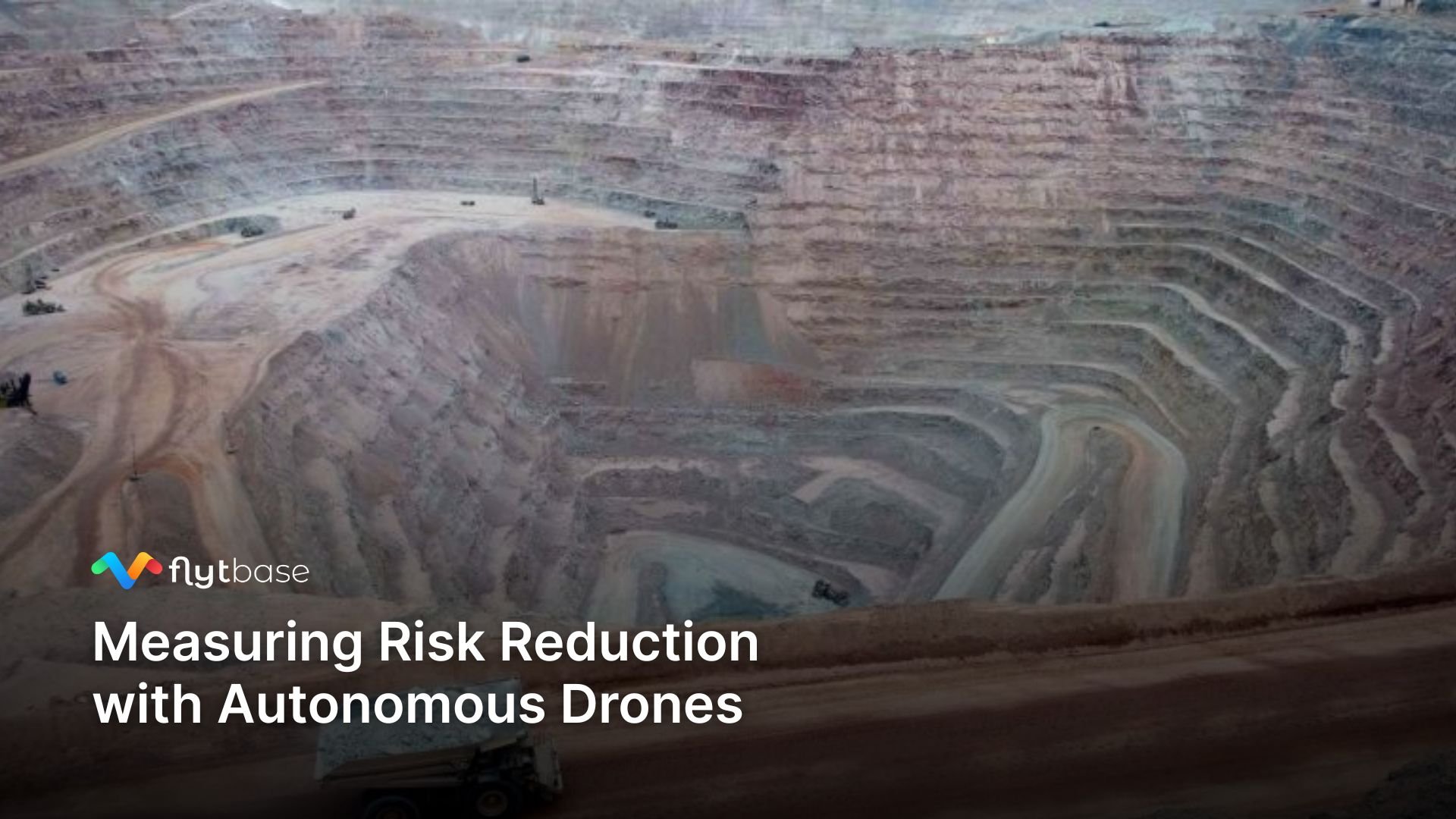
Para muchos líderes industriales, demostrar el impacto financiero de las iniciativas de seguridad parece imposible. Sin embargo, gracias a que los drones autónomos se encargan ahora de las tareas de vigilancia de alto riesgo, las organizaciones están transformando la seguridad, que antes era un centro de costes, en un motor de retorno de la inversión cuantificable.
Cuando un proveedor energético global evaluó las operaciones con drones autónomos para la seguridad de sus instalaciones y la monitorización de infraestructuras, sus directivos exigieron datos, no promesas. Este desafío reveló una nueva forma de medir la seguridad: cuantificando la reducción de riesgos.
El coste oculto de las operaciones de seguridad manuales
Las métricas de seguridad tradicionales, como las tasas de incidentes o las reclamaciones de indemnización, solo reflejan una fracción del coste total. El verdadero gasto reside en la exposición humana.
El personal de seguridad e inspección se enfrenta habitualmente a:
- Accidentes de vehículos patrulla nocturnos
- Enfrentamientos con personas no autorizadas
- Exposición a materiales peligrosos o zonas de alta tensión
- Errores de decisión relacionados con la fatiga durante turnos largos
Cada escenario conlleva costos directos (atención médica, honorarios legales) y costos indirectos (interrupción de la capacitación, pérdida de moral, escrutinio regulatorio). Las organizaciones ahora modelan exposición al riesgo anual asignando una probabilidad y un coste a cada tipo de incidente, un paso fundamental antes de calcular el retorno de la inversión (ROI).
Cómo los drones autónomos modifican la ecuación de riesgo
Los drones autónomos no eliminan el riesgo, transferir la exposición humana a la tecnología.
Antes de la automatización:
- El 40% de los turnos de vigilancia se dedicaron a patrullar zonas peligrosas.
- El tiempo de respuesta al incidente fue de 8 a 12 minutos en promedio.
- Entre 15 y 20 incidentes que estuvieron a punto de convertirse en accidentes graves al mes.
Después de implementar Operaciones de drones autónomos con tecnología FlytBaseLos resultados mejoraron drásticamente:
- 0% del tiempo dedicado a zonas de alto riesgo
- Tiempo de respuesta del dron: 2-3 minutos
- De 3 a 5 incidentes que estuvieron a punto de convertirse en accidentes graves al mes.
Esto se traduce en una detección más rápida, una menor exposición y una monitorización constante las 24 horas del día, los 7 días de la semana, sin fatiga ni errores humanos.
Creación de un modelo de retorno de la inversión en seguridad basado en datos.
El retorno de la inversión en seguridad combina costos directos (médico, legal, reparación) con costos indirectos (tiempo de inactividad, pérdida de productividad, primas de seguros). Cuando las organizaciones controlan ambos aspectos, el retorno de la inversión se vuelve tangible.
Componentes de costo directo
- Indemnización laboral y gastos médicos
- Honorarios legales y de cumplimiento
- Daños y reemplazo del equipo
Componentes de costos indirectos
- Pérdida de productividad y retrasos
- Costos de capacitación y reemplazo
- Seguros y fluctuaciones de las primas
Los sistemas autónomos a menudo reducen la probabilidad de incidentes mediante 60-90%, transformando la seguridad, pasando del cumplimiento reactivo a la gestión proactiva de riesgos.
Ejemplo de minería: la mina Quellaveco de Anglo American
En Mina Quellaveco de Anglo American en PerúLas inspecciones con drones autónomos sustituyeron los procesos manuales de monitorización de cintas transportadoras y equipos. El cambio no se limitó a la eficiencia, sino que también se tradujeron en mejoras medibles en materia de seguridad.
Resultados tras el despliegue de drones autónomos con tecnología FlytBase:
- reducción del 67% en tiempo de inactividad relacionado con la inspección
- eliminación al 100% de exposición humana a zonas peligrosas
- aumento del 300% en frecuencia de inspección y calidad de los datos
- reducción del 85% en los costos de mano de obra de inspección
Lea el estudio de caso completo: Drones mineros autónomos de Anglo American: estudio de caso FlytBase
El valor acumulativo de una operación más segura
El retorno de la inversión en seguridad aumenta con el tiempo. Los sistemas autónomos permiten:
- Menos tareas humanas de alto riesgo en 3 meses
- Respuesta ante incidentes entre un 50 % y un 70 % más rápida en 6 meses.
- Mantenimiento proactivo y cultura de seguridad desde el primer año
- Prevención predictiva de riesgos a partir del segundo año
En términos de comportamiento, los equipos cambian su enfoque de la exposición al análisis de datos. Las operaciones se vuelven consistentes y verificables. Los informes de cumplimiento mejoran y los socios de seguros reconocen un menor riesgo operativo. La seguridad, cuando se impulsa por la autonomía, se convierte en una ventaja competitiva, no solo un requisito de cumplimiento normativo.
Empresas como Pampa Energía, Seguridad de primera clase, y angloamericano Están demostrando que las operaciones más seguras también son más rentables. Aprenda cómo. Plataforma de autonomía empresarial para drones de FlytBase Permite mejoras cuantificables en materia de seguridad en los sectores de minería, energía e infraestructuras críticas.