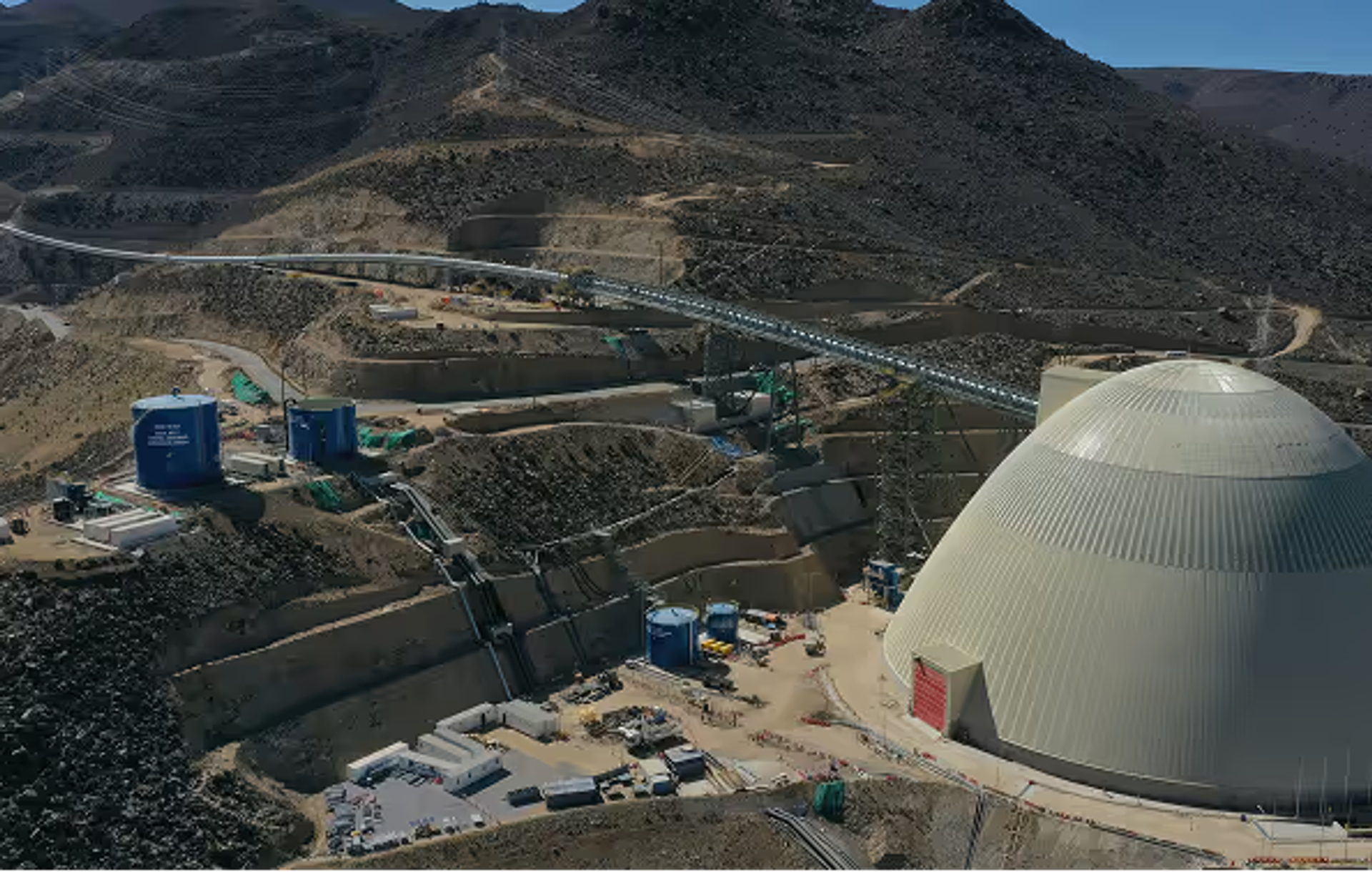
En el desierto de Atacama, SQM opera una de las mayores explotaciones mineras a cielo abierto del planeta. Cada línea de riego, cada aspersor y cada variación térmica pueden afectar el rendimiento de la extracción. Sin embargo, hasta hace poco, estas comprobaciones se realizaban manualmente: los ingenieros de campo caminaban o conducían kilómetros cada día, buscando fugas y aspersores desconectados.
El equipo de innovación quería agilizar sus procesos. Necesitaban inspecciones que no dependieran de la disponibilidad ni la resistencia humana. Requerían datos que les indicaran, cada mañana, con precisión dónde actuar. Esta necesidad los llevó a Adentu, un integrador chileno especializado en autonomía de drones, y FlytBase, la plataforma de autonomía empresarial diseñada para operaciones con drones no supervisadas y basadas en datos. Juntos, se propusieron responder a una pregunta que aún plantea un desafío para la mayoría de las operaciones industriales: ¿cómo se transforma la autonomía, de una prueba de concepto a un flujo de trabajo cotidiano?
El desafío
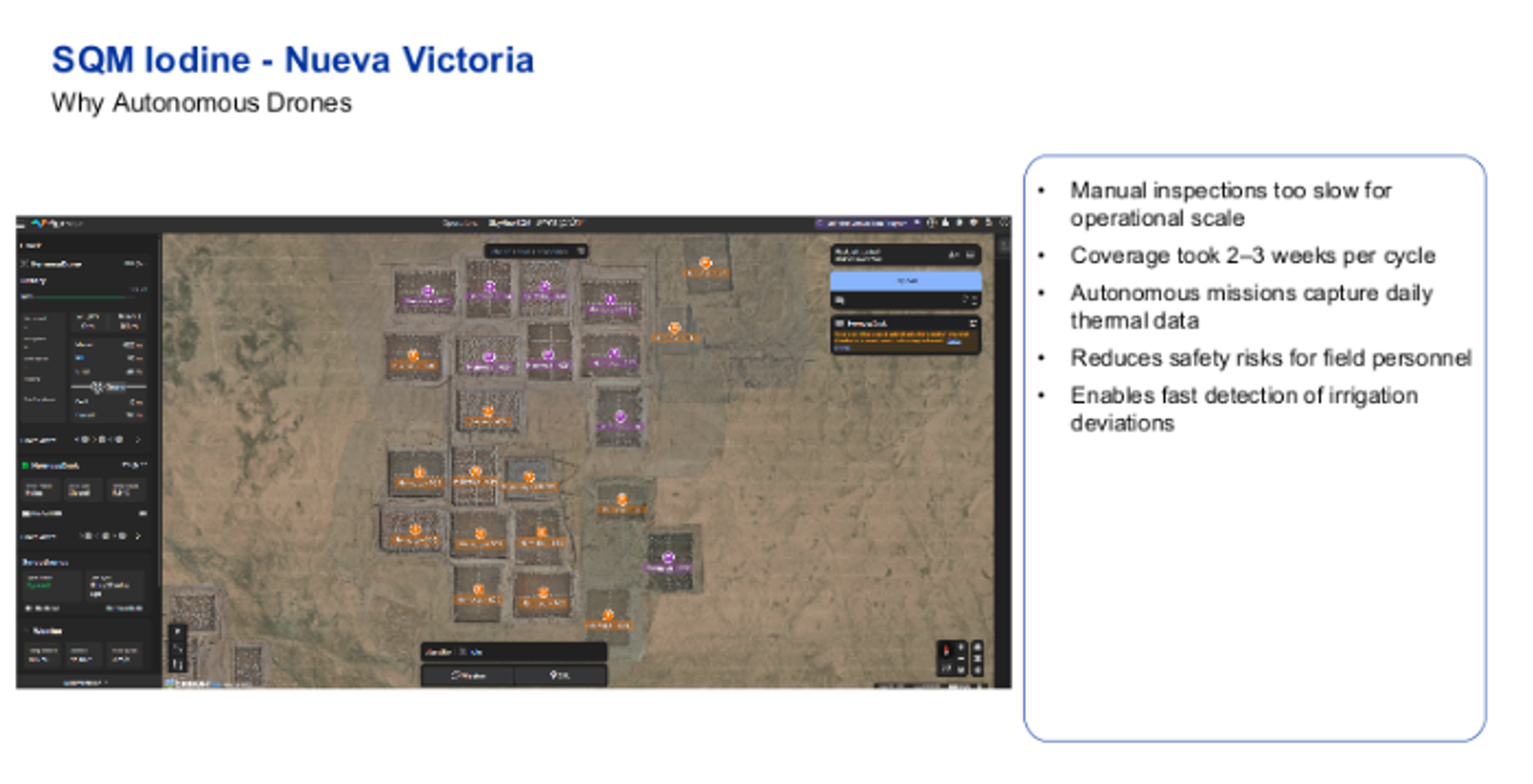
Durante años, el proceso de inspección de SQM se vio limitado por su escala. Las inspecciones a pie implicaban horas bajo el sol del desierto, mientras que recorrerlas en coche ofrecía poca precisión y carecía de información térmica. Los problemas a menudo pasaban desapercibidos durante días.
"Cada hora que nuestros ingenieros pasaban caminando era una hora que no dedicaban a resolver el problema", recordó Rodrigo Toler, subdirector de Innovación Digital de SQM.
Tres cuestiones destacaron de inmediato:
1. Brechas de inspección - El enorme tamaño de la mina hacía imposible detectar fugas o zonas secas con la suficiente rapidez como para evitar pérdidas de eficiencia.
2. Retroalimentación retardada Para cuando se encontraba un aspersor desconectado, algunas partes de un montón ya podían llevar días sin riego.
3. Resistencia al cambio - Los equipos de campo eran experimentados, pragmáticos y escépticos ante las nuevas tecnologías que prometían eficiencia pero que añadían complejidad.
Para resolver estos desafíos se necesitaba algo más que drones. Se requería diseñar un sistema autónomo que pudiera integrarse sin problemas en el ritmo de las operaciones diarias de SQM.
La solución
Los ingenieros de Adentu comenzaron con un proyecto pequeño: una base DJI, una zona y un caso de uso. El objetivo no era la escalabilidad, sino la confianza. Si lograban demostrar una calidad de datos consistente y una fiabilidad operativa, el sistema podría crecer de forma natural.
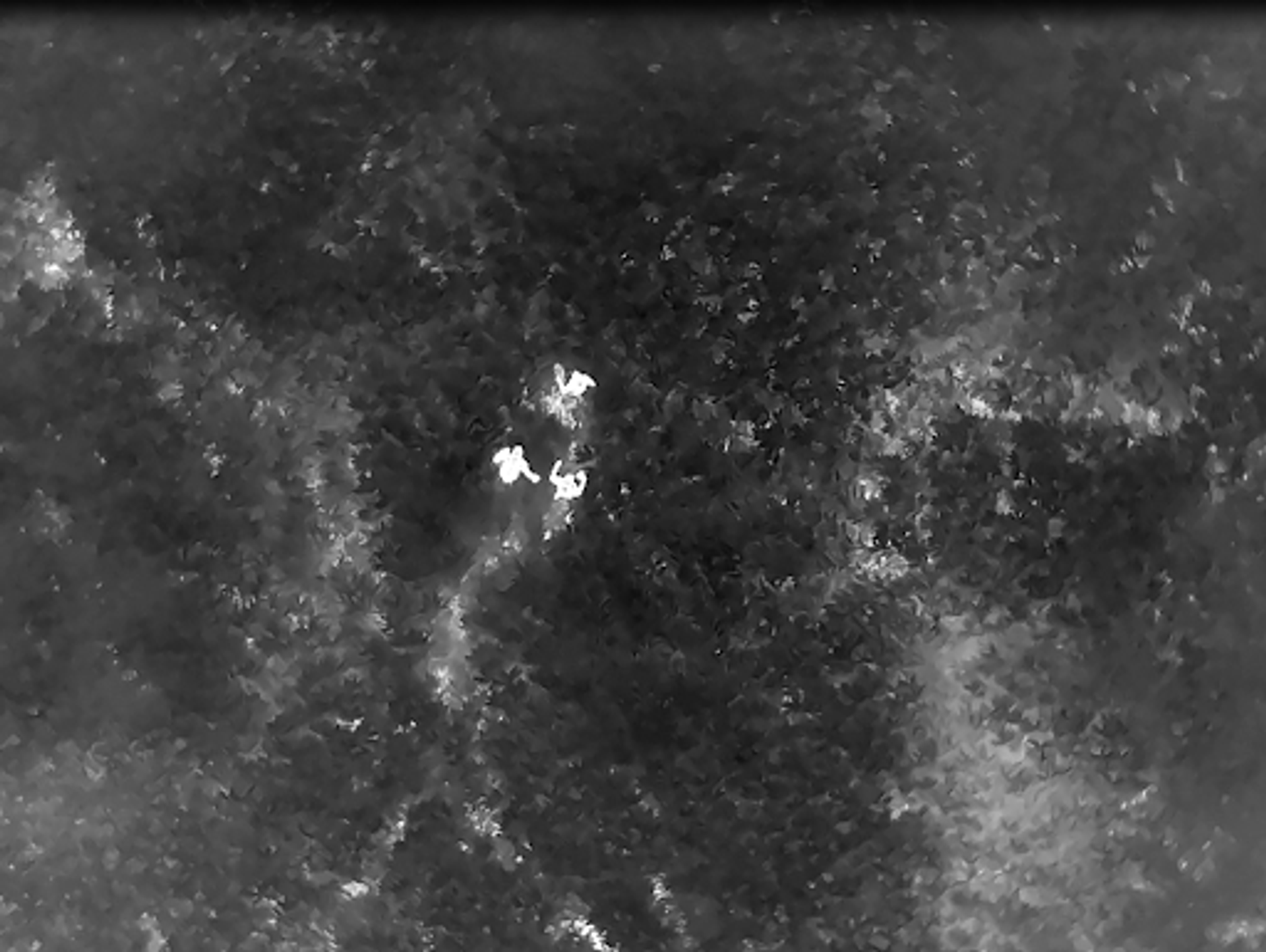
FlytBase se convirtió en el centro de control de la misión, programando los vuelos diarios, gestionando la telemetría, procesando las transferencias automáticas de imágenes y realizando comprobaciones de estado de forma remota. Los drones capturaron imágenes RGB y térmicas, enviándolas a FlytBase, que a su vez las transmitió al entorno Azure de SQM para su análisis mediante aprendizaje automático.
Adentu desarrolló un software intermedio que permitió que los datos fluyeran sin problemas entre FlytBase y Azure. El resultado no eran imágenes sin procesar, sino información valiosa: los mapas de riego y los patrones de temperatura se transformaron en paneles de control priorizados que mostraban a los equipos de campo exactamente adónde ir y qué solucionar primero.
"La plataforma FlytBase nos permitió automatizar las misiones diarias, las comprobaciones de estado y las transferencias de datos, creando un flujo de trabajo verdaderamente automatizado", afirmó José Pablo Mujica, director comercial de Adentu.
Era la primera vez que el equipo de inspección de SQM podía comenzar su jornada con una lista de prioridades clasificadas, generada íntegramente por sistemas autónomos.
Cómo funciona
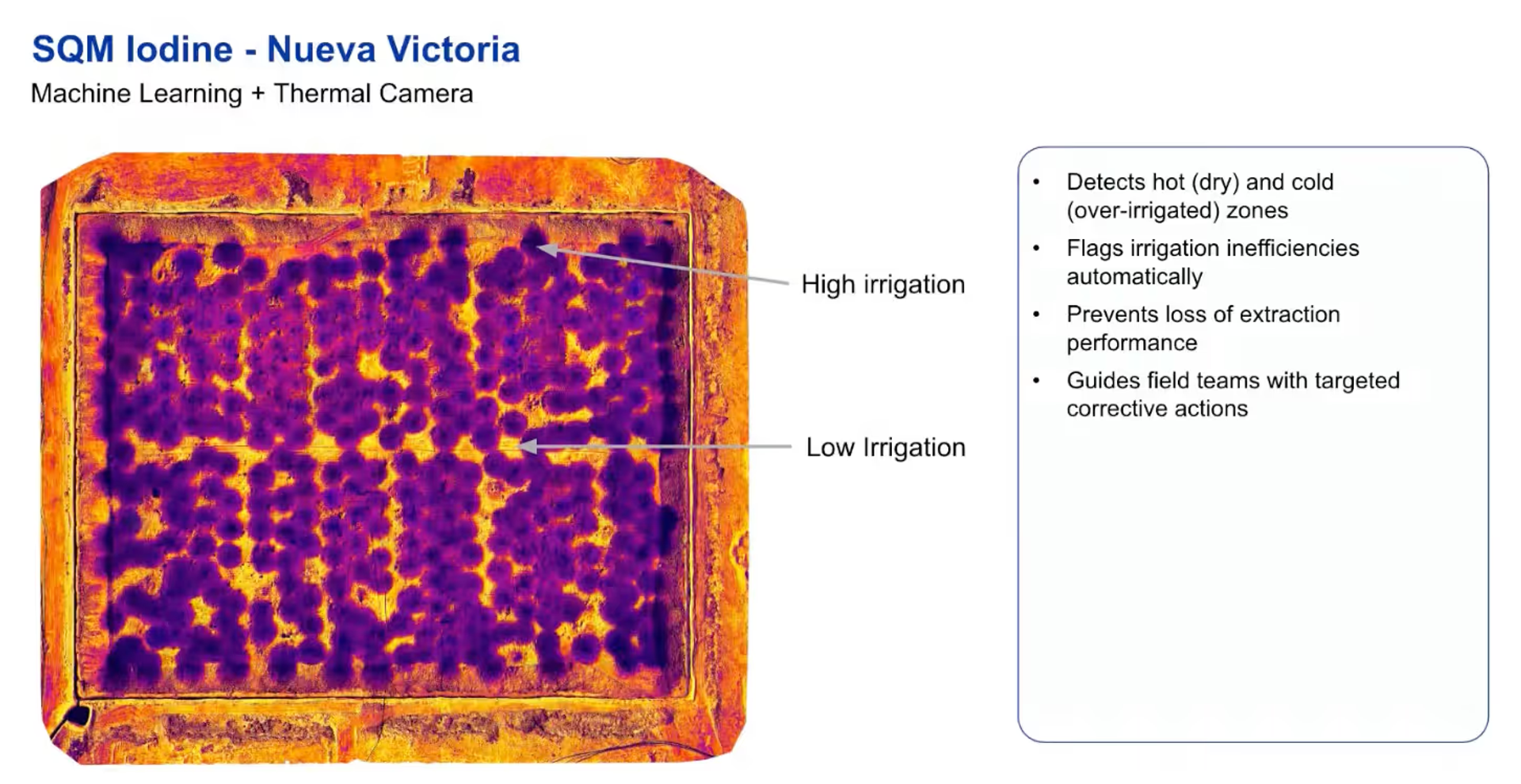
Cada día comienza antes del amanecer. FlytBase programa dos misiones totalmente autónomas desde la base DJI Dock: una al amanecer y otra al final de la tarde, cuando el contraste térmico es mayor. El dron captura datos visuales y térmicos en las zonas de lixiviación asignadas y regresa automáticamente a recargarse.
Desde allí, FlytBase transfiere las imágenes mediante una API segura al Data Lake de Azure. Los modelos de aprendizaje automático, entrenados con las propias imágenes de SQM, clasifican las zonas como óptimas, húmedas o secas. Noventa minutos después de finalizar el vuelo, los operadores de SQM disponen de un panel de control actualizado en sus pantallas con mapas codificados por colores que resaltan las anomalías y señalan las coordenadas.
A las 8:30 de la mañana, los equipos de campo ya saben adónde ir, qué inspeccionar y qué reparar, incluso antes de que la mayor parte de la obra haya comenzado a moverse.
Implementación
El proceso, desde la idea hasta la producción, siguió un plan de acción bien definido:
Paso 1 - Verificación de la realidad sobre el terreno
Adentu y SQM delimitaron el área operativa, identificando la ubicación óptima del muelle y teniendo en cuenta el calor, el polvo y el terreno. La conectividad se gestionó mediante Starlink, elegido por su estabilidad en emplazamientos remotos.
Paso 2 - Integración y validación
Las API de FlytBase se configuraron para enviar datos directamente a Azure, mientras que los ingenieros de SQM validaron la sincronización y la integridad de los datos después de cada vuelo.
Paso 3: Entrenamiento de IA con retroalimentación humana
El equipo etiquetó cientos de imágenes iniciales de la misión, enseñando al modelo a diferenciar entre reflejos térmicos y problemas reales de riego. Este proceso de retroalimentación humana mejoró la precisión en más del 30 por ciento durante el primer mes.
Paso 4 - Aceptación en campo
El hito cultural se produjo cuando los operadores empezaron a solicitar los datos de los drones antes de salir. «Se negaban a empezar a trabajar sin el panel de control matutino», recordó Rodrigo. Ese fue el punto de inflexión en el que la tecnología dejó de ser un proyecto y se convirtió en un hábito.
Paso 5 - Escalado y optimización
Una vez que la fiabilidad se estabilizó por encima del 95 por ciento, SQM estandarizó el flujo de trabajo y trató el sistema como cualquier otro activo operativo.
Los resultados
En menos de diez meses, SQM logró una transformación cuantificable.
La frecuencia de inspección se duplicó, pasando de quincenal a dos veces al día. La fiabilidad de la misión superó el 95 %, incluso en las duras condiciones del desierto. El tiempo de detección se redujo de varios días a menos de 90 minutos. La eficiencia de extracción mejoró en un dos por ciento. La inversión total en el sistema osciló entre 70 000 y 80 000 dólares estadounidenses, con un retorno de la inversión en menos de un año.
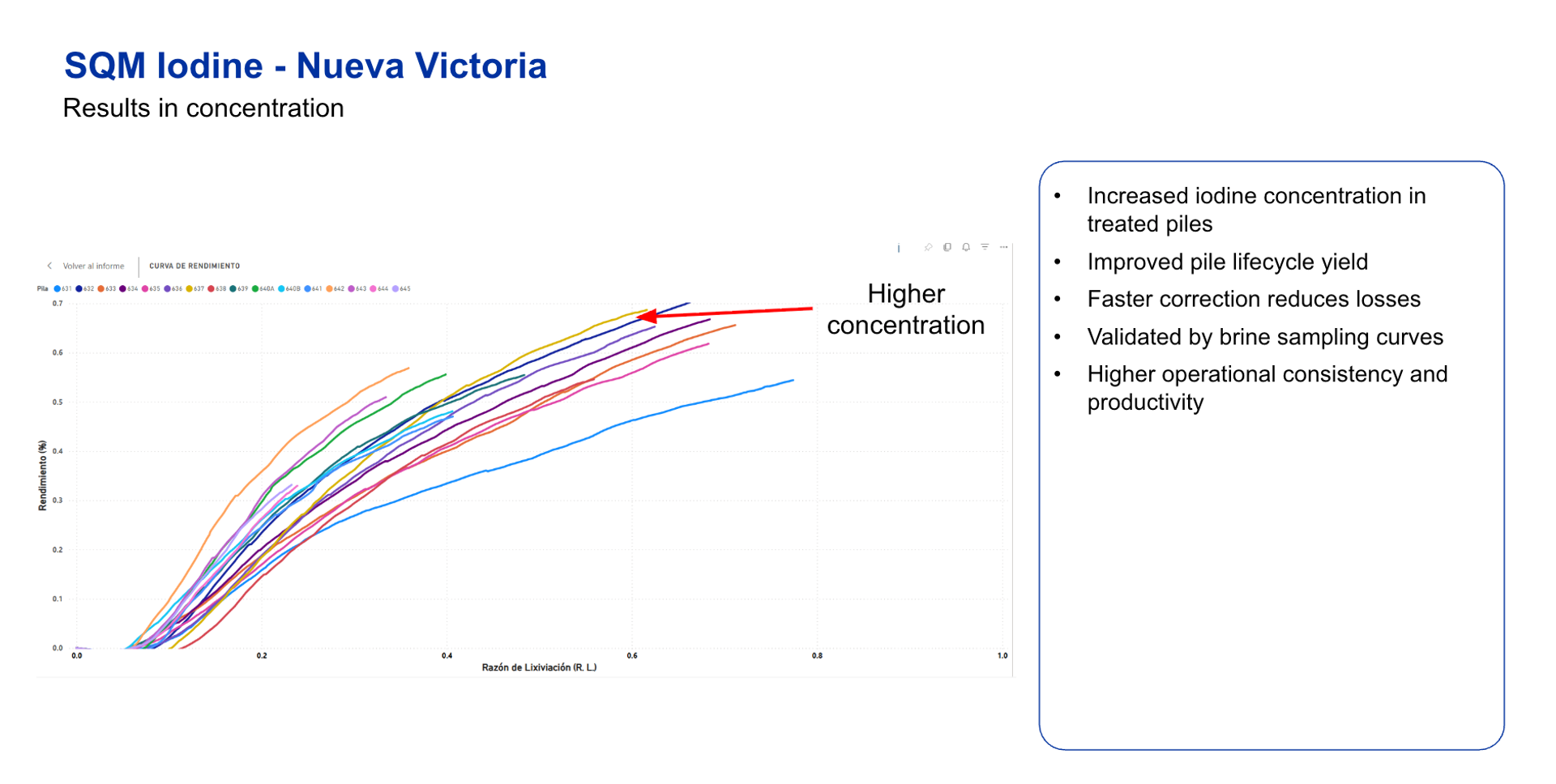
El impacto operativo fue más allá de las métricas. Las rutas de recorrido manual se redujeron drásticamente, lo que permitió a los ingenieros centrarse en el diseño de soluciones en lugar de la detección. Y gracias a la autonomía para gestionar el trabajo repetitivo, los equipos de campo comenzaron a ver a los drones como colaboradores, no como competidores.
"Pasar de un 0,5% a un 2% de aumento en la extracción de yodo es enorme para un proceso de esta magnitud", dijo Rodrigo. "Pero el cambio más significativo fue cómo nuestros equipos comenzaron a confiar en la autonomía para lograr los objetivos".
El camino a seguir
Tras demostrar su éxito en las inspecciones de riego, SQM está ampliando el modelo a otras funciones. La empresa ha encargado bases DJI adicionales para su departamento de seguridad, con el objetivo de realizar misiones de vigilancia ininterrumpida en las instalaciones. Adentu está probando el monitoreo de patrones térmicos a lo largo de tuberías de HDPE para detectar señales tempranas de fugas o tensiones estructurales.
La próxima evolución incluirá FlytBase AI-R, que llevará el análisis de IA en el borde directamente al muelle para el procesamiento de datos en tiempo real, incluso cuando se pierda la conectividad. Las operaciones BVLOS (más allá de la línea de visión) también están previstas, lo que permitirá a los drones cubrir zonas más extensas de forma autónoma.
"Ahora estamos explorando hasta dónde nos puede llevar la IA en el borde, procesando información localmente, incluso sin conexión a internet", añadió Rodrigo.
Lo que comenzó como un caso de uso aislado se ha convertido ahora en un modelo de cómo SQM planea ampliar la autonomía a todo su ecosistema minero.
Conclusión
La colaboración de SQM con Adentu y FlytBase no solo automatizó una tarea, sino que rediseñó por completo el ritmo operativo. En menos de un año, pasaron de realizar inspecciones a pie a gestionar una mina con autocontrol que proporciona información cada noventa minutos. FlytBase aportó la infraestructura de autonomía, Adentu la preparó para su uso en campo y SQM la convirtió en una ventaja estratégica.
« FlytBase se encargó de la autonomía; Adentu la hizo funcionar en el desierto. Juntos construimos una mina con autocontrol», dijo Rodrigo Toler, subdirector de Innovación Digital de SQM.
Este caso demuestra que la autonomía no reemplaza a las personas, sino que las potencia. El futuro de la minería no se limita a la automatización; se basa en la conectividad inteligente, la continuidad y la capacidad de medición.
Preguntas frecuentes
¿Cómo utilizó SQM FlytBase en este despliegue?
FlytBase impulsaba la programación de misiones, la gestión de la telemetría y la transferencia segura de datos a Azure, lo que permitía a SQM realizar inspecciones térmicas y visuales totalmente autónomas.
¿Qué papel desempeñó Adentu?
Adentu integró FlytBase con el entorno Azure de SQM, desplegó la infraestructura física y personalizó los flujos de trabajo para adaptarlos a las necesidades operativas.
¿Qué retorno de la inversión cuantificable se logró?
Fiabilidad de la misión del 95%, duplicación de la frecuencia de inspección, aumento del dos por ciento en el rendimiento de extracción y un ciclo de retorno de la inversión de 10 meses.
¿Esta solución puede aplicarse a otras operaciones?
Sí. El flujo de trabajo es modular e independiente del hardware, y está diseñado para extenderse a casos de uso de seguridad, riego y monitoreo ambiental en sitios globales.