
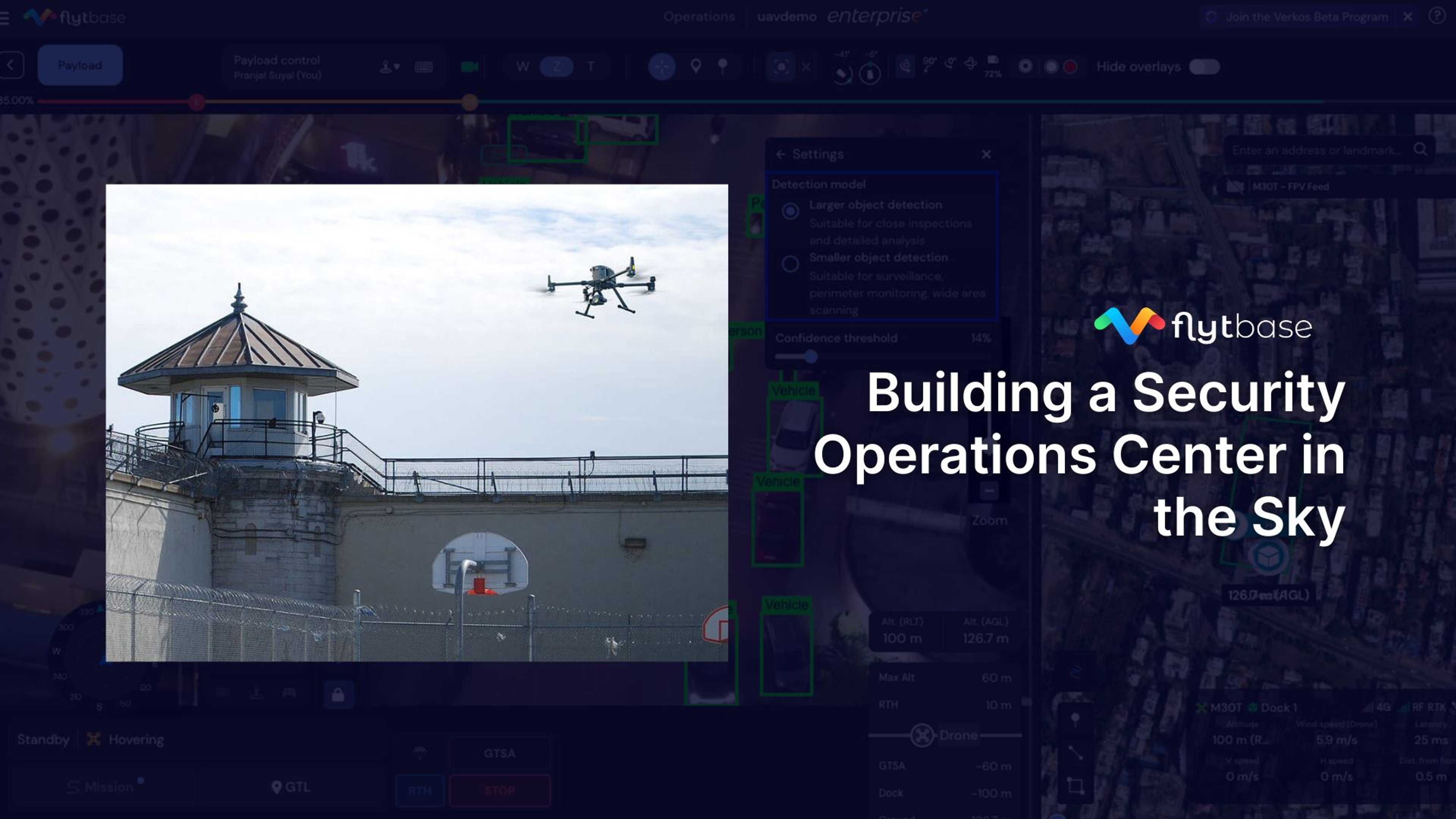
Modern security operations are evolving from static monitoring to dynamic, data-driven intelligence networks. The rise of autonomous drones is accelerating this transformation, giving organizations the ability to extend their visibility and response capabilities far beyond the limits of fixed infrastructure.
Aerial autonomy now makes it possible to create a distributed, responsive, and intelligent Security Operations Center (SOC) in the sky—one that provides real-time situational awareness, automated incident response, and continuous risk monitoring.
The Shift from Surveillance to Situational Intelligence
Traditional security infrastructure relies on fixed cameras, manual patrols, and ground-based sensors. These systems create valuable data but often lack adaptability and range.
Autonomous drones bridge this gap by combining mobility, automation, and advanced analytics. They provide an aerial perspective that enables organizations to:
- Detect and track incidents in real time
- Monitor large or remote areas efficiently
- Validate sensor alerts with visual confirmation
- Support emergency response through live video and location data
By integrating drones into existing SOC frameworks, enterprises can transition from passive surveillance to predictive and preventive security operations.
Components of an Aerial Security Operations Center
Building a functional Security Operations Center in the sky requires a combination of physical infrastructure, software orchestration, and data integration.
Core components include:
1. Autonomous Drone Systems
Docking stations, charging systems, and weatherproof enclosures that enable 24/7 readiness and automated flight operations.
2. Centralized Orchestration Platform
Software that manages multiple drones, mission scheduling, data streaming, and alert workflows through a unified interface.
3. Data Integration Layer
APIs that connect drone feeds to existing security tools, such as video management systems, access control platforms, and analytics dashboards.
4. AI-Powered Analytics
Real-time object detection, perimeter intrusion alerts, and automated incident classification powered by edge and cloud AI.
5. Communication Network
Secure, low-latency links for streaming, control, and data synchronization across multiple sites or command centers.
FlytBase enables each of these layers through its enterprise-grade orchestration platform, supporting seamless connectivity between autonomous drones and centralized SOCs.
Real-Time Monitoring and Automated Response
In high-security environments, incident response time is critical. Traditional manual verification can take minutes, which is often too late to prevent loss or escalation.
With autonomous drones integrated into SOC workflows, response times shrink from minutes to seconds. Upon receiving an alert, the FlytBase system automatically:
1. Deploys the nearest available drone to the event location.
2. Streams live video to the SOC operator for immediate verification.
3. Captures and logs high-resolution evidence for audit or investigation.
4. Returns to its dock for automated recharging and data upload.
This real-time verification loop provides unmatched situational awareness, ensuring that security teams respond faster, with greater accuracy and reduced operational strain.
Centralized Multi-Site Management
Enterprises operating multiple facilities often struggle to maintain consistent security standards and response capabilities. A centralized SOC with autonomous drone integration enables standardized monitoring across all locations.
Key capabilities include:
- Unified visibility for all active missions and alerts
- Centralized flight scheduling and status monitoring
- Shared data storage and compliance documentation
- Role-based access for regional or site-level operators
FlytBase fleet management enables organizations to control dozens of drone-in-a-box systems from one dashboard, ensuring reliability and compliance across geographically distributed operations.
Case Study: Automated Perimeter Security
A leading energy infrastructure provider deployed FlytBase-powered drones across multiple critical sites to strengthen perimeter surveillance and response.
Results achieved:
- 85 percent reduction in false alarms through automated verification
- 60 percent improvement in incident response time
- Consistent surveillance coverage across multiple facilities
- Full audit trail for compliance with safety and regulatory standards
This deployment demonstrated how autonomous aerial systems can transform conventional security infrastructure into intelligent, data-driven operations.
Compliance, Privacy, and Data Security
Security operations must balance responsiveness with regulatory compliance and privacy protection.
FlytBase ensures that drone data remains secure and traceable through:
- Encrypted communication between drones, docks, and SOC servers
- Role-based data access and retention policies
- Automated reporting for audit and compliance documentation
- Configurable masking of sensitive areas within video streams
These controls allow enterprises to maintain operational transparency while meeting data protection and industry-specific security standards.
Building the Future of Intelligent Security
Autonomous drones are redefining the scale and responsiveness of modern security operations. By integrating aerial systems into centralized command frameworks, organizations gain continuous visibility, faster decision-making, and stronger compliance oversight.
FlytBase provides the orchestration technology that enables SOC teams to plan missions, manage fleets, and analyze security data in real time—all within a unified platform.
Take the Next Step Toward Autonomous Security
Transform your security operations with a fully integrated aerial command framework. Discover how enterprises are building next-generation Security Operations Centers with FlytBase-powered drone systems.