.avif)


Get Your Free Drone Autonomy Guide Today!

Across industrial facilities, logistics yards, and campuses, every security shift still ends the same way. Guards write notes in logbooks, attach photos to emails, and store incident PDFs in folders that no one revisits. It feels routine and reliable. Yet, this outdated habit quietly creates one of the biggest operational blind spots in modern security management.
Recent research shows that nearly 73% of security teams worldwide still depend on manual reporting. The result is a gap between what actually happens on the ground and what managers can measure, analyze, or improve.
Why manual reporting hides more than it helps
Manual incident logs delay decisions. When a response record takes hours to compile, patterns that could have prevented a repeat event remain invisible. Supervisors spend time cleaning up data instead of acting on it.
Across large commercial sites managed by Premier Security, daily reports once required six to twelve hours of manual verification. Managers often reviewed them after the next shift had already started, losing the opportunity to adjust patrol routes or follow up on unresolved alarms.
The impact compounds quickly. In operations that still rely on manual documentation:
- Up to 40% of incident details never reach supervisors accurately
- Around 30% of overtime stems from duplicated or delayed reporting tasks
- Compliance teams spend 20% more time reconciling records before audits
Each of these inefficiencies eats into margins and weakens client accountability.
From handwritten logs to autonomous data
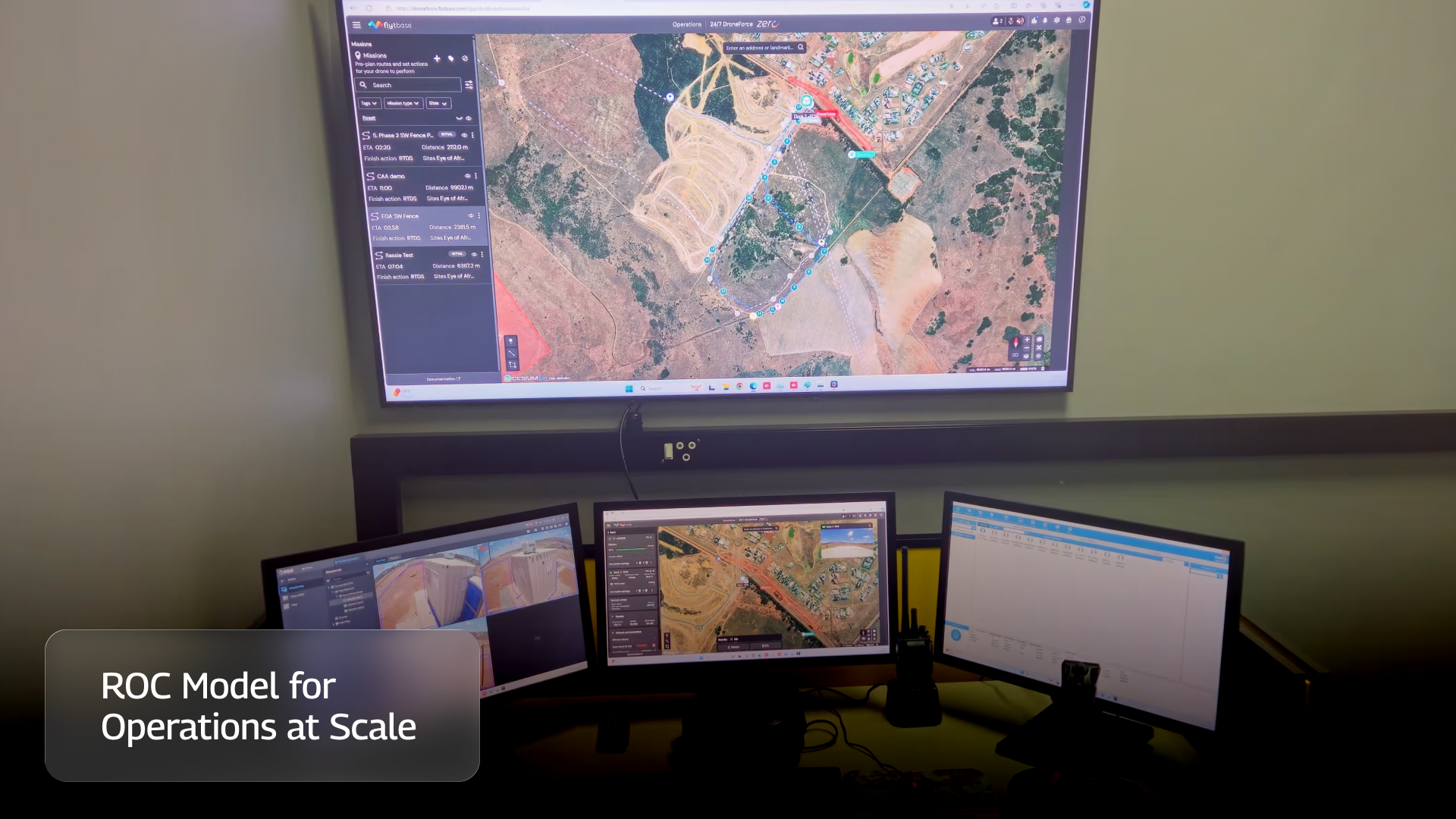
The turning point for many enterprises began when reporting stopped being a human chore and became an automated data stream. Instead of guards typing notes at the end of each shift, docked drones integrated with the FlytBase platform now collect and upload patrol footage automatically. Each flight creates a structured report with time stamps, geolocation tags, and annotated imagery.
For companies like Premier Security and Titan Protection, this shift changed everything. Titan reported a 60% reduction in security costs and 40% fewer incidents after adopting autonomous, FlytBase-enabled workflows. Automated logs provided a consistent record of patrol coverage, response times, and event verification, making both audits and client reports faster and more transparent.
Because the FlytBase system connects directly to existing video management and alert systems, every captured event can be verified within minutes. Supervisors no longer rely on subjective descriptions; they have real footage and data to validate performance.
Why automation builds accountability
Security teams that replace manual reports with automated intelligence gain a measurable advantage. Real-time dashboards display trends such as high-traffic zones, recurring false alarms, or guard response delays. Insights that once took weeks to uncover now appear within hours.
Across FlytBase deployments, enterprises have achieved:
- 50–60% faster incident resolution
- Stronger SLA compliance across multi-site operations
- Improved staff satisfaction as paperwork time decreased by half
Automation does more than save time; it builds transparency. With verifiable data, managers can demonstrate performance, justify staffing levels, and continuously refine patrol strategy.
Where modern security teams begin
Digital transformation in security doesn’t start with hardware—it starts with visibility. Begin by auditing how long it takes for an incident to reach a decision-maker. Identify where duplicate effort occurs, and measure how much of your reporting process could be automated.
The Premier Security case study demonstrates what happens when routine reporting becomes a source of intelligence. Once reports were automatically generated by FlytBase-powered docked drones, the company cut review time from half a day to under an hour while improving overall accountability.
Manual reporting once symbolized reliability. Today, it represents delay. As operations scale, data captured by autonomous drones and orchestrated through FlytBase delivers the accuracy, speed, and insight that modern security demands.
Ready to see what automated reporting looks like in practice?
The shift from handwritten logs to autonomous, data-driven security isn’t theory—it’s happening across real operations today. Explore how Premier Security and Titan Protection built fully autonomous workflows using FlytBase and docked drone systems to transform incident reporting, reduce delays, and prove performance with live data.
Read the full case studies at flytbase.com/case-studies or connect with our team to understand how similar automation can fit into your operations.
FAQs
Find quick answers to common questions about compatibility, setup, features, and pricing
Manual reporting leads to incomplete records, slow audits, and inconsistent follow-ups. In FlytBase case studies, teams using paper or PDF logs reported 30–40% slower response times because incidents were reviewed hours after they occurred. Digital automation removes these gaps by logging data automatically as events unfold.
Autonomous systems remove human error and inconsistency. With FlytBase, every drone mission and patrol is automatically time-stamped, geotagged, and linked to incident video. This structured data gives supervisors accurate proof of coverage and helps management spot recurring issues early.
No. Modern automation platforms integrate with existing VMS, access control, and alarm systems. FlytBase connects directly to your security infrastructure, so drones can launch, record, and upload data autonomously — without changing existing command center workflows.
Based on FlytBase deployments across enterprise security operations, automation typically leads to: - 50–60% faster incident resolution - Reduced overtime and manual reporting hours - Improved SLA compliance and client transparency. While results vary, most organizations recover automation costs within the first operational year.
.webp)
.svg)
.webp)

.png)
